What Are the Best Practices for Mindful Meditation
Mindful meditation is a powerful practice that can bring a sense of peace and clarity to our busy lives. By focusing on the present moment and cultivating awareness of our thoughts and feelings, we can reduce stress, improve our mental well-being, and enhance our overall quality of life. However, like any skill, mindful meditation requires practice and dedication to truly reap its benefits. In this article, we will explore some of the best practices for mindful meditation to help you deepen your practice and experience its transformative effects.
Understanding the Purpose of Mindful Meditation
At its core, mindful meditation is about being fully present in the moment without judgment. It involves paying attention to our thoughts, feelings, bodily sensations, and the environment around us with a sense of curiosity and acceptance. The goal is not to eliminate thoughts or emotions but to observe them without getting caught up in them. Through regular practice, we can learn to respond to life’s challenges with greater calmness and clarity.
Setting an Intention
Before beginning your meditation practice, take a moment to set an intention for your session. This could be a specific goal you want to work towards, such as reducing stress or increasing self-compassion. By clarifying your intention, you create a sense of purpose and direction for your practice, helping you stay focused and motivated throughout your meditation.
Creating a Quiet and Comfortable Environment
Find a quiet and comfortable space where you can sit or lie down without distractions. Dim the lights, play soft music or nature sounds if it helps you relax, and consider using a cushion or chair for support. The key is to create an environment that allows you to fully immerse yourself in the present moment without any external disturbances.
Mindful Posture
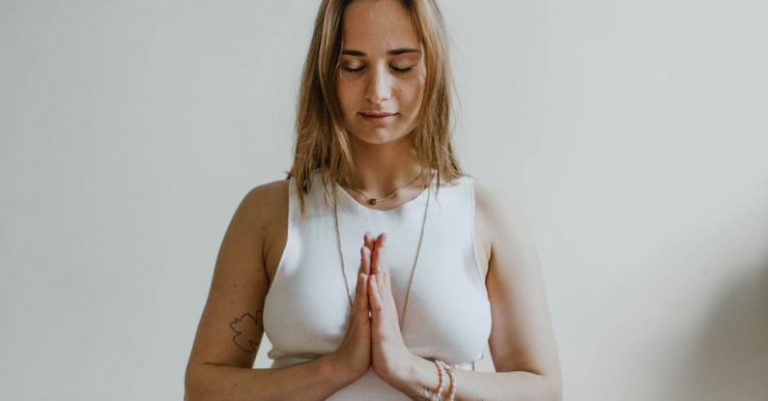
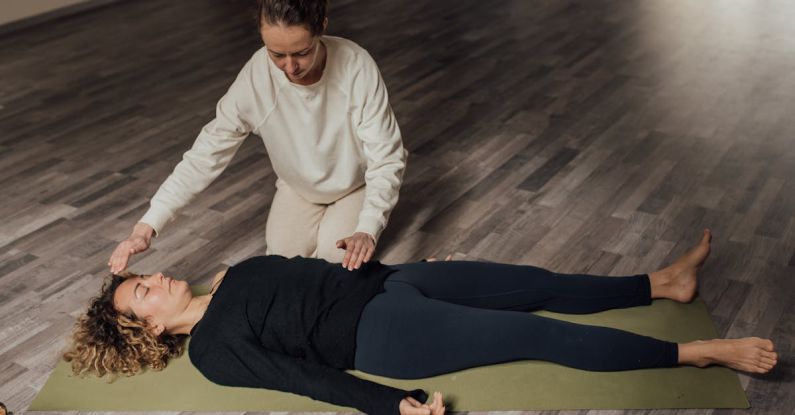
Whether sitting, standing, or lying down, it is important to adopt a posture that is both comfortable and conducive to mindfulness. Sit with your back straight but not rigid, shoulders relaxed, and hands resting comfortably in your lap or on your knees. If you are lying down, keep your body in a relaxed and open position, allowing for deep and easy breathing. Pay attention to your body’s alignment and make any adjustments necessary to ensure a comfortable and stable posture.
Focused Breathing
One of the most common techniques used in mindful meditation is focused breathing. Begin by taking a few deep breaths to center yourself, then allow your breath to return to its natural rhythm. Focus your attention on the sensation of your breath as it enters and leaves your body, noticing the rise and fall of your chest or the feeling of air passing through your nostrils. Whenever your mind starts to wander, gently bring your focus back to your breath without judgment.
Body Scan Meditation
Another effective practice for cultivating mindfulness is body scan meditation. Start by bringing your awareness to the top of your head and slowly scan down through your body, paying attention to any areas of tension, discomfort, or sensations. As you move through each part of your body, breathe into any areas of tightness or discomfort, allowing them to soften and release. Body scan meditation can help you cultivate a deeper connection with your physical body and promote relaxation and self-awareness.
Cultivating Non-Judgmental Awareness
A key aspect of mindful meditation is cultivating a non-judgmental attitude towards your thoughts and emotions. Instead of labeling thoughts as good or bad, simply observe them as passing mental events without attaching any meaning or significance to them. Remember that you are not your thoughts; you are the observer of your thoughts. By practicing non-judgmental awareness, you can develop a greater sense of inner peace and acceptance towards yourself and others.
Gratitude Practice
Incorporating a gratitude practice into your mindful meditation can help shift your focus from what is lacking in your life to what you are grateful for. Take a few moments at the end of your meditation session to reflect on three things you are thankful for, no matter how small or insignificant they may seem. Cultivating an attitude of gratitude can boost your mood, increase your resilience to stress, and enhance your overall well-being.
Renaming the “Conclusion” as “Embracing Mindful Meditation”
Mindful meditation is a powerful practice that can transform your life by cultivating greater awareness, peace, and resilience. By incorporating these best practices into your daily routine, you can deepen your meditation practice and experience its profound benefits. Remember that mindfulness is a journey, not a destination, so be patient and compassionate with yourself as you navigate this practice. Embrace mindful meditation as a tool for self-discovery and personal growth, and allow it to guide you towards a more mindful and fulfilling life.